


The Outsider Advantage Is Earned: How Mara Smith Found an Overlooked Tequila Customer and Built for Her
Entering an established industry as an outsider can reveal what insiders no longer see, but only if fresh perspective is matched by enough discipline to execute. Mara Smith saw an opportunity in tequila not because the category lacked products, but because she believed it was overlooking an important customer: women already buying and drinking tequila. Her experience building Inspiro Tequila shows how rigorous research, product standards, focused growth, and precise positioning can turn outsider perspective into business advantage.

Women’s Hair Loss Is Not a Side Service: How Shab Caspara Built Authority Before Scale
A market can be crowded with products and providers while still leaving the customer fundamentally underserved. Shab Caspara saw women with hair loss moving among salons, dermatologists, specialists, and treatments without one trusted expert responsible for the complete journey. She built Caspara Hair Preservation Studio around that fragmentation, then learned that creating a new category requires more than a compelling vision; it requires authority, customer trust, and evidence the market can believe. Her experience gives founders a sharper question than how quickly they can scale: what must be proven first?
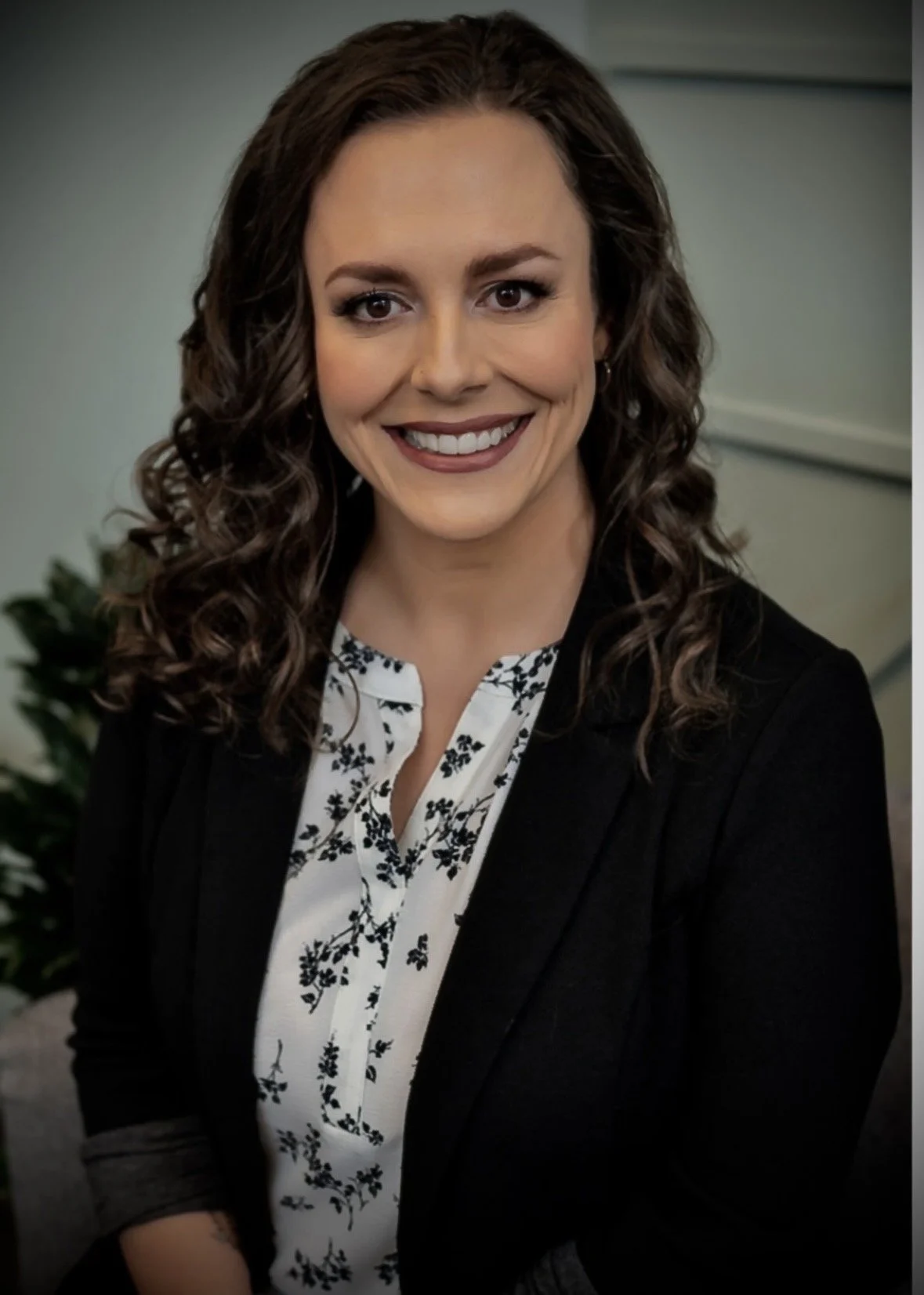
When Growth Breaks the Business Model: Deanna Woodroffe on Direct Primary Care, Capacity, and the Cost of Volume
Growth can look healthy long after the underlying business model has stopped serving the people inside it. Deanna Woodroffe confronted that tension when Vibrant Health of Colorado moved away from an insurance based model that had helped the practice reach roughly 7,000 patients and adopted direct primary care with a planned cap of about 1,000. Her decision raises a question that extends far beyond healthcare: when volume begins eroding quality, capacity, and the ability to do the work well, is getting bigger still growth?

Bootstrapping for Optionality: Clara Ma on Pricing Early, Founder Leverage, and Building a Business That Does Not Own Your Life
Many founders start companies in pursuit of autonomy, only to build businesses that require more of their time, attention, and availability than the jobs they left behind. Clara Ma took a different approach, using early profitability, deliberate delegation, and bootstrapping to build Ask a Chief of Staff around optionality rather than perpetual founder dependence. Her experience raises a more consequential question than how much a company can grow: can it grow without consuming the person who built it?

Turning Fandom Into Growth Without Losing the Brand
Growth does not become strategic simply because a company finds another way to monetize attention. In Veronica Hart’s work across entertainment, licensing, merchandise, live experiences, and global partnerships, the harder question is whether a brand can turn audience love into new revenue without exhausting the trust that made the brand valuable. For founders and executives, her perspective offers a sharper way to think about expansion, customer demand, and the leadership discipline required to build for scale without losing the core.

Human Centered AI Transformation: Megan Malli on Why Better Business Decisions Start With Better Questions
Megan Malli’s leadership philosophy challenges one of the most common mistakes in modern transformation: treating AI, workflow redesign, and customer experience as technical problems when they are actually human ones. As CEO of AnswerLab, Megan brings a disciplined perspective on how companies can use curiosity, trust, and human insight to make better decisions in moments of uncertainty. This conversation explores why AI cannot fix broken workflows, why customer intimacy is becoming a strategic advantage, and why women leaders must stop waiting for certainty before claiming the rooms they already belong in.

Reinvention Without Permission: Jane Bertch on Building Through Action, Community, and the Courage to Begin Again
Jane Bertch’s founder story challenges one of the most persistent myths in business: that clarity must come before action. After leaving corporate banking and building La Cuisine Paris into the largest English language French cooking school in Paris, she proves that reinvention is not a reckless leap, but a disciplined practice of testing, listening, adapting, and continuing before the path feels fully safe. Her next chapter, focused on women’s development, retreats, and entrepreneurial support, extends that same thesis into a broader leadership lesson for women who are ready to stop waiting for permission and begin again.

The Culture Advantage: How Nuttha Goutier Built Sabai Thai Spa by Turning Care Into a Franchise System
Nuttha Goutier built Sabai Thai Spa from less than $1,000, a clear belief in herself, and a deeply human understanding that care is not a soft value, but a business system. Her story reveals how Thai hospitality, staff first leadership, disciplined training, and a repeatable customer experience turned one local spa into a growing franchise brand. For founders and executives, this conversation is a case study in how culture becomes retention, how systems protect soul, and how responsible growth begins with knowing what must never be diluted.

Why Legal Strategy Is a Growth Strategy: Hillary Hughes on Protecting the Value Founders Work So Hard to Build
Legal strategy is often treated as a back-office expense, yet Hillary Hughes makes a powerful case for why it should be understood as one of the earliest and most important investments a founder can make. In this conversation, she reveals how contracts, intellectual property ownership, vendor agreements, capital raises, and governance decisions shape the value a company can protect, raise against, or eventually sell. For founders building with ambition, this episode is a practical reminder that growth without legal infrastructure can become one of the most expensive forms of risk.